The Real Timeline of Buying a Home From Offer to Closing
April 27, 2026
Home Buying Tips

April 27, 2026
Home Buying Tips
Buying a home marks one of life’s most meaningful achievements, and understanding each step empowers you to navigate the journey with confidence. By learning the real timeline of buying a home, you gain clarity, reduce uncertainty, and make informed decisions from the very beginning. With the right guidance and preparation, you can approach the process with assurance, turning what may seem complex into an exciting and rewarding experience.
Making the Offer
The real timeline of buying a home typically spans 30 to 60 days, though market conditions, financing requirements, and legal procedures can influence the schedule. Each stage plays a vital role, from submitting an offer to finalizing the closing documents. When you understand what to expect and respond promptly at every step, you maintain control of the process and move steadily toward successful homeownership.
Opening Escrow
After the seller accepts your offer, you open escrow with a neutral third party who oversees the transaction. This step ensures that all parties handle funds, documents, and contractual obligations securely and fairly. The escrow company holds the earnest money deposit, demonstrating your commitment to purchasing the property.
During this stage, you and the other parties establish a strong foundation for a successful closing. The escrow officer collects the required documentation, sets clear timelines, and outlines responsibilities for both the buyer and the seller.
Submitting Your Mortgage Application
If you are financing your purchase, submitting your mortgage application promptly is essential. Even if you have been pre-approved, your lender must verify financial details, including employment, income, credit history, and assets.
Providing accurate documentation early in the process prevents delays and builds trust with your lender. Clear communication and timely responses help ensure that your loan moves forward efficiently, bringing you one step closer to homeownership.
Scheduling the Home Inspection
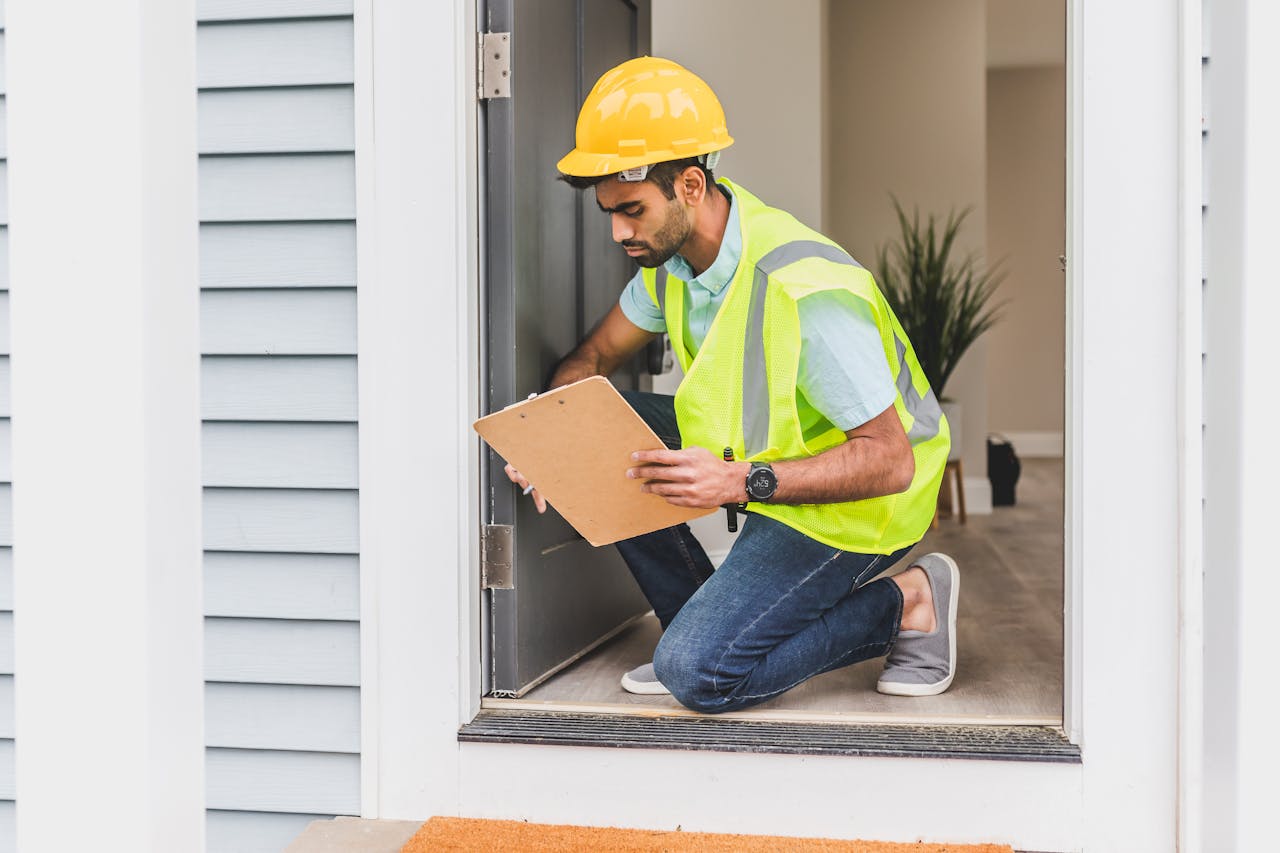
The home inspection is a critical step that provides a detailed evaluation of the property's condition. A licensed inspector examines structural elements, electrical systems, plumbing, roofing, and major appliances.
The findings may reveal minor issues or significant concerns that require attention. Depending on the results, you may negotiate repairs, request credits, or reconsider the purchase. This phase protects your investment and offers valuable insight into the home’s long-term maintenance needs.
Conducting the Appraisal
Lenders require a professional appraisal to confirm that the home's value aligns with the agreed purchase price. An appraiser evaluates the property by comparing it with similar homes in the area, assessing its condition, and analyzing market data.
When the valuation meets or surpasses the agreed price, the deal typically moves forward without issues. If the assessed value falls short, the parties often return to the table to renegotiate terms. Buyers and sellers must then decide whether to adjust the price, increase the down payment, or terminate the agreement.
Securing Final Loan Approval
Once the appraisal and documentation are complete, your mortgage application enters underwriting. During this stage, the lender conducts a comprehensive review to ensure you meet all financial and regulatory requirements.
Underwriters may request additional information or clarification. Responding promptly helps prevent delays and keeps the process moving forward. When your loan is approved, you will receive a clear-to-close notification, indicating that your financing is officially secured.
Preparing for Your Move
As closing day approaches, it is time to prepare for the transition into your new home. Planning can make this period far less stressful. For example, if you need to plan a long-distance move, such as moving from Manhattan to Florida, organizing logistics early, scheduling professional movers, and coordinating timelines with your closing date can help the process stay on track. Taking proactive steps ensures a seamless transition from Manhattan to Florida and allows you to settle into your new home with confidence.
This stage is also ideal for setting up utilities, updating your address in Florida, and finalizing moving arrangements in Manhattan. Careful preparation transforms what could be a hectic experience into an exciting new beginning.
Reviewing the Title and Insurance Requirements
A title search is conducted to verify that the seller has legal ownership of the property and that there are no outstanding liens or disputes. This step ensures that you will receive a clear and marketable title at closing.
Title insurance is also issued to protect both the buyer and the lender against potential claims. At the same time, you will be required to secure homeowner’s insurance, which must be in place before the closing date. These safeguards provide peace of mind and protect your investment for years to come.
Receiving the Closing Disclosure
In the days leading up to closing, your lender will issue the Closing Disclosure. This document outlines the final terms of your loan, including interest rates, monthly payments, and closing costs. By law, buyers must receive this disclosure at least three business days before signing.
Reviewing it carefully ensures that all figures align with your expectations. If discrepancies arise, addressing them promptly helps avoid delays and ensures transparency throughout the transaction.
Completing the Final Walkthrough
The final walkthrough usually happens one to two days before the closing date. This step gives you the chance to verify that the property still meets the agreed condition and that all requested repairs are finished.
That is the final chance to confirm that all details align with the agreed contract terms. Verifying details at this stage provides reassurance and prevents last-minute complications.
Closing day marks the culmination of weeks of preparation and anticipation. During this appointment, you will sign all necessary documents, finalize your mortgage, and pay any remaining closing costs. The seller will transfer ownership, and the title will be officially recorded.
Once the paperwork is complete and funds are disbursed, you will receive the keys to your new home. This moment represents the successful completion of your homebuying journey and the beginning of an exciting new chapter.
While timelines can vary, most home purchases follow a general schedule. Offer acceptance typically occurs within a few days, while inspections and appraisals are completed within the first two weeks. Mortgage underwriting and final approvals often take several weeks, with closing usually occurring within 30 to 60 days.
Factors such as market demand, financing complexities, and unexpected repairs can influence the timeline. Staying organized, responsive, and informed helps ensure a smooth and timely transaction.
Tips for a Smooth and Stress-Free Experience
Preparation and communication are key to navigating the homebuying process successfully. Working with experienced professionals, maintaining financial stability, and keeping important documents readily available can prevent unnecessary delays. Remaining flexible and patient also contributes to a positive experience.
Understanding each step allows you to anticipate challenges and approach them with confidence. With the right mindset and support, the journey from offer to closing becomes both manageable and rewarding.
Ensuring a Secure and Successful Transaction
Understanding the real timeline of buying a home allows you to approach the journey with clarity, confidence, and peace of mind. By staying organized, communicating effectively, and preparing for each milestone, you can overcome challenges and keep your transaction on track. With expert support and a proactive mindset, you transform a complex process into a smooth and rewarding experience, ultimately stepping into your new home with confidence and pride.
Stay up to date on the latest real estate trends.

Homeowners
September 4, 2026

Homeowners
July 29, 2026
Home Buying Tips
April 27, 2026

Real Estate Tips
March 13, 2026

Orlando
March 4, 2026

Central Florida
February 25, 2026

February 13, 2026

EVENTS
February 2, 2026

January 13, 2026
You’ve got questions and we can’t wait to answer them.